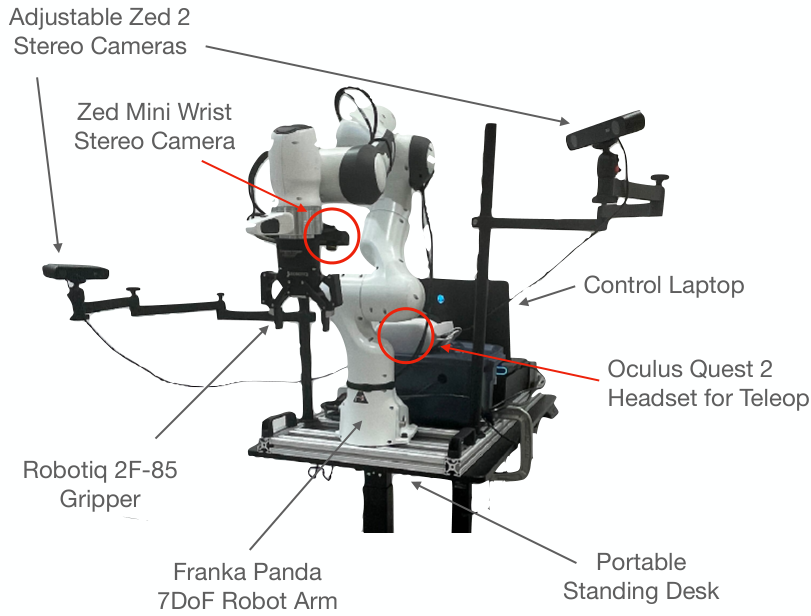
How Many Robot Demonstrations Do You Need to Train a Policy?
There is no universal episode count for robot policy training. Learn how task, object, environment, embodiment, and failure coverage change the answer.
12 min readRead article →
Explore practical guides and perspectives on humanoid robot training data and embodied AI, including collection methods, simulation, evaluation, licensing, hardware, and the datasets shaping modern robot learning.
34 Articles · Page 1 of 3
There is no universal episode count for robot policy training. Learn how task, object, environment, embodiment, and failure coverage change the answer.
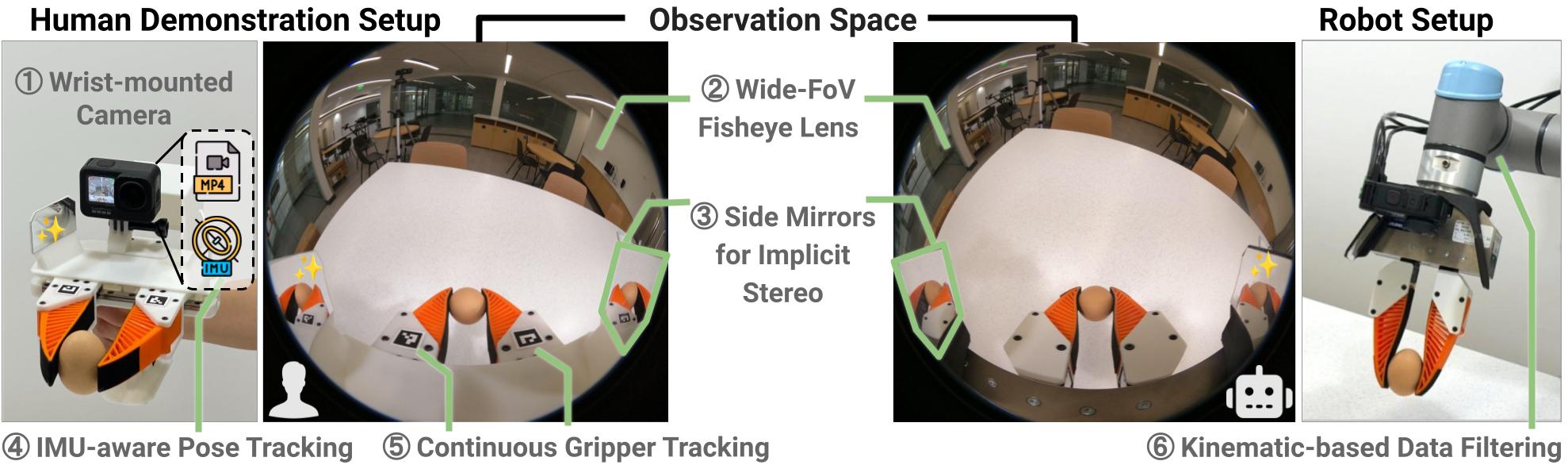
A practical way to distinguish image capture, message arrival and robot execution time, with lessons from UMI and checks for demonstration datasets.
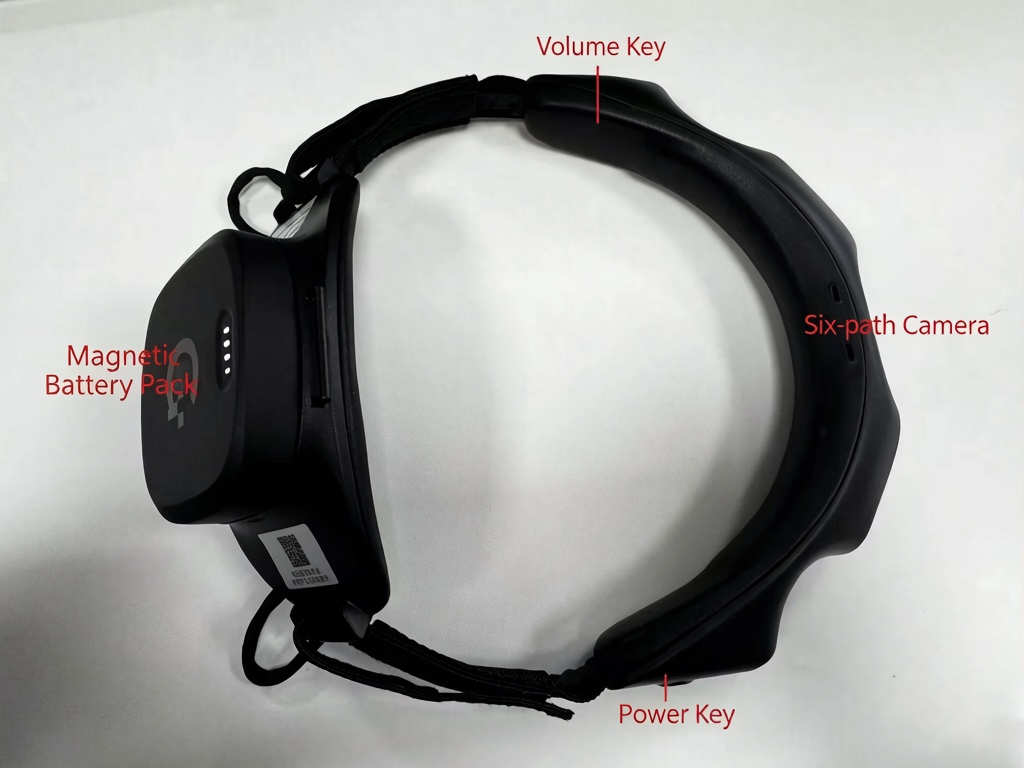
Compare ten wearable robot-learning capture systems by recorded video, motion and gaze data, export formats, access, pricing, and the tasks they can support.

Check collision geometry, friction mixing, contact settings and controller timing before trusting simulation-generated grasping and assembly data.
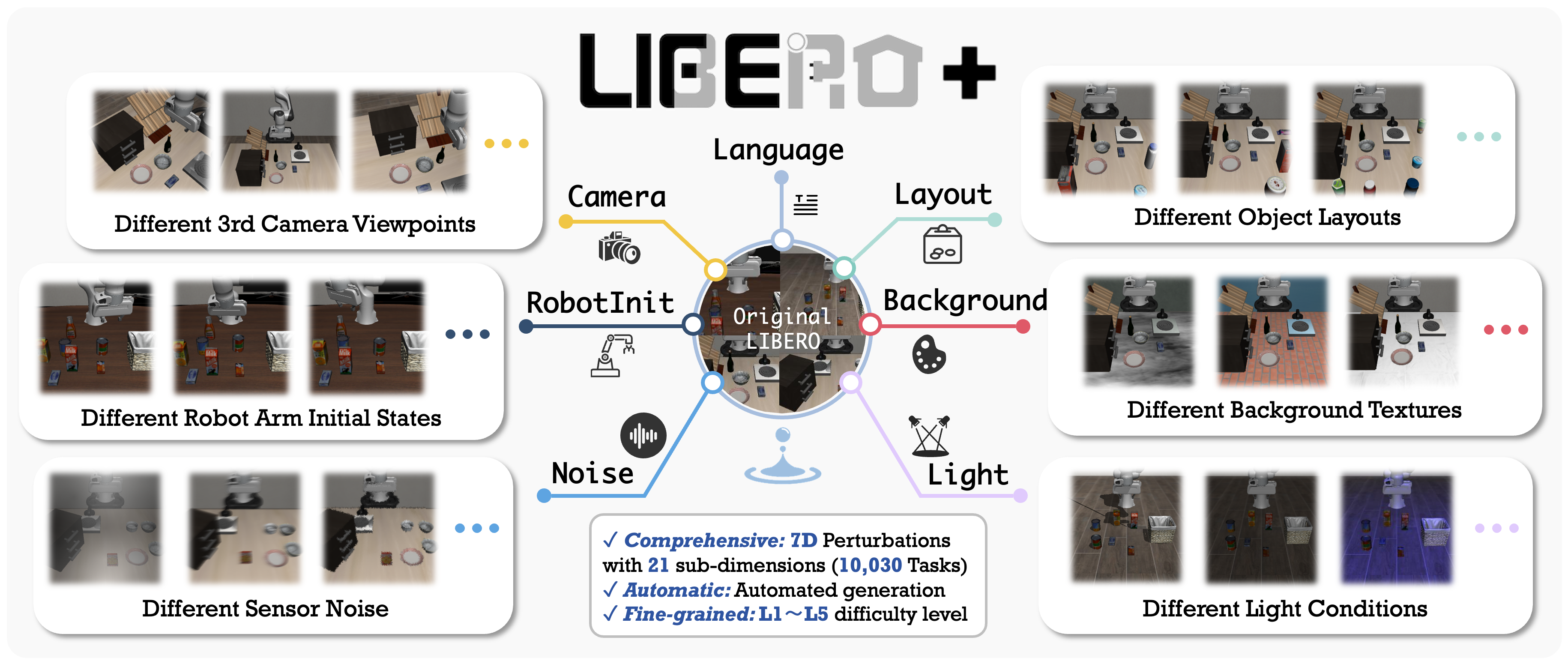
LIBERO-Plus reveals failures hidden by strong robot benchmark scores. Learn how to test camera shifts, instruction following and new data without leaking the test set.
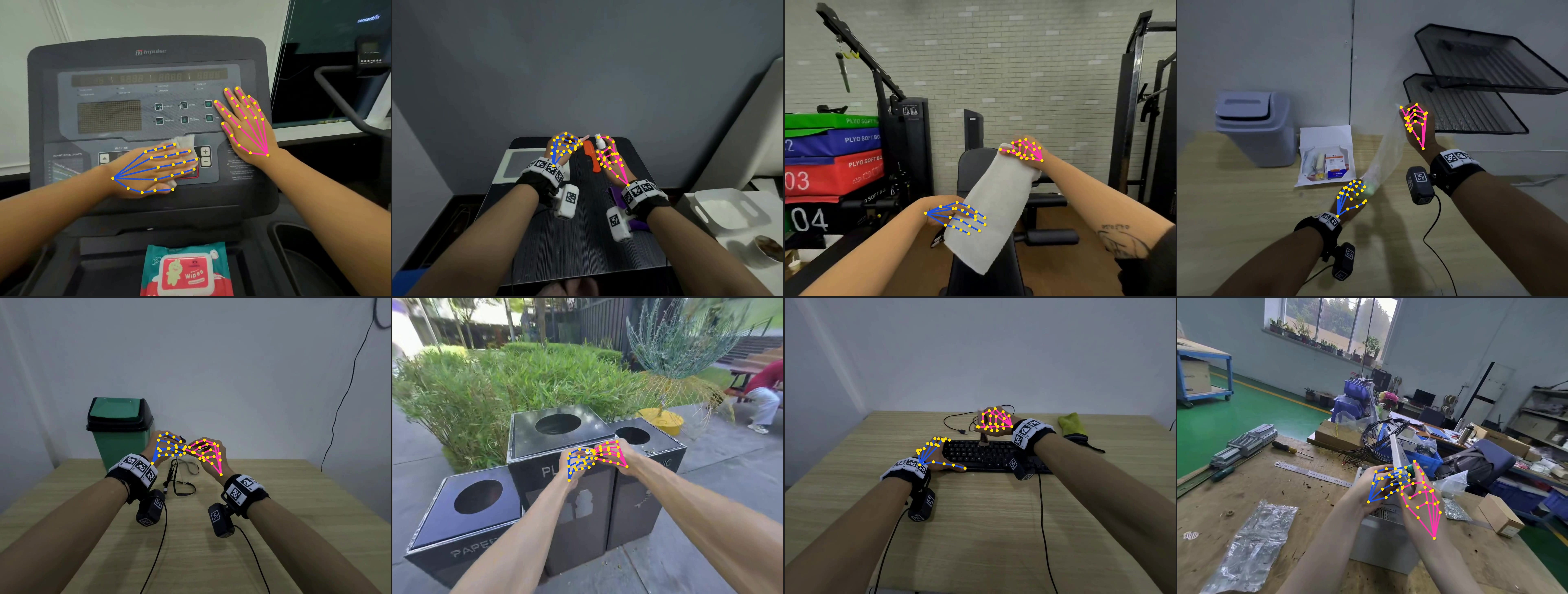
Learn when to keep MCAP recordings alongside LeRobot v3 exports, with EgoSuite examples and checks for timing, calibration and action labels.
Compare LeRobot v3, RLDS, HDF5, and Zarr for robot datasets, including episode semantics, video, streaming, schema design, and migration.
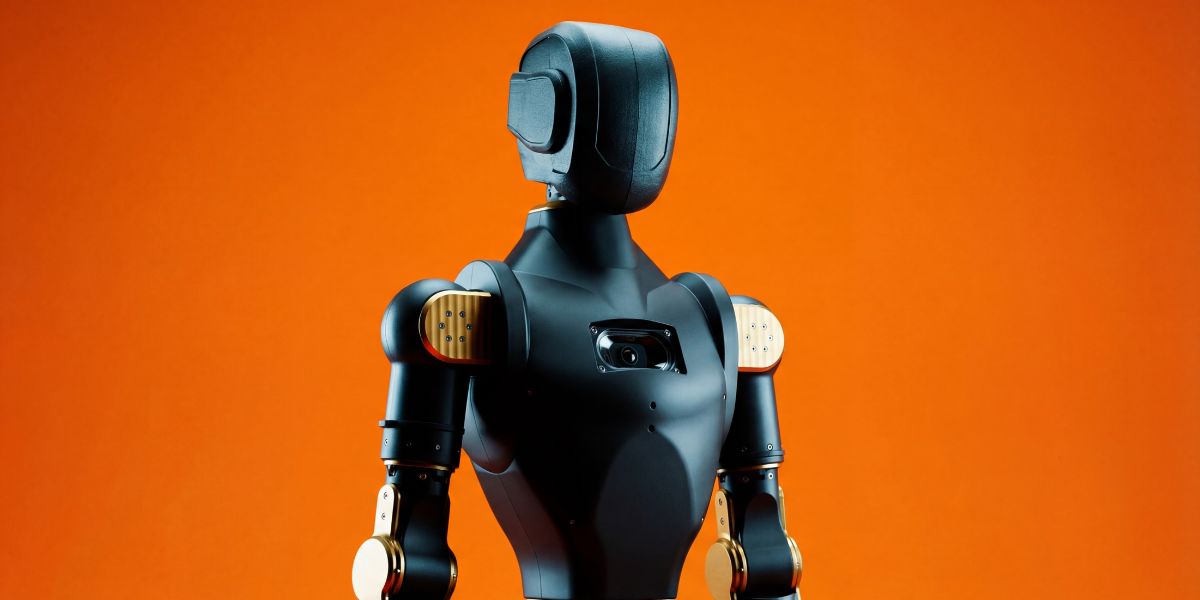
I started with Menlo Research's Asimov 1 and followed the CAD, licences, build guides, and missing files across the open humanoid landscape.
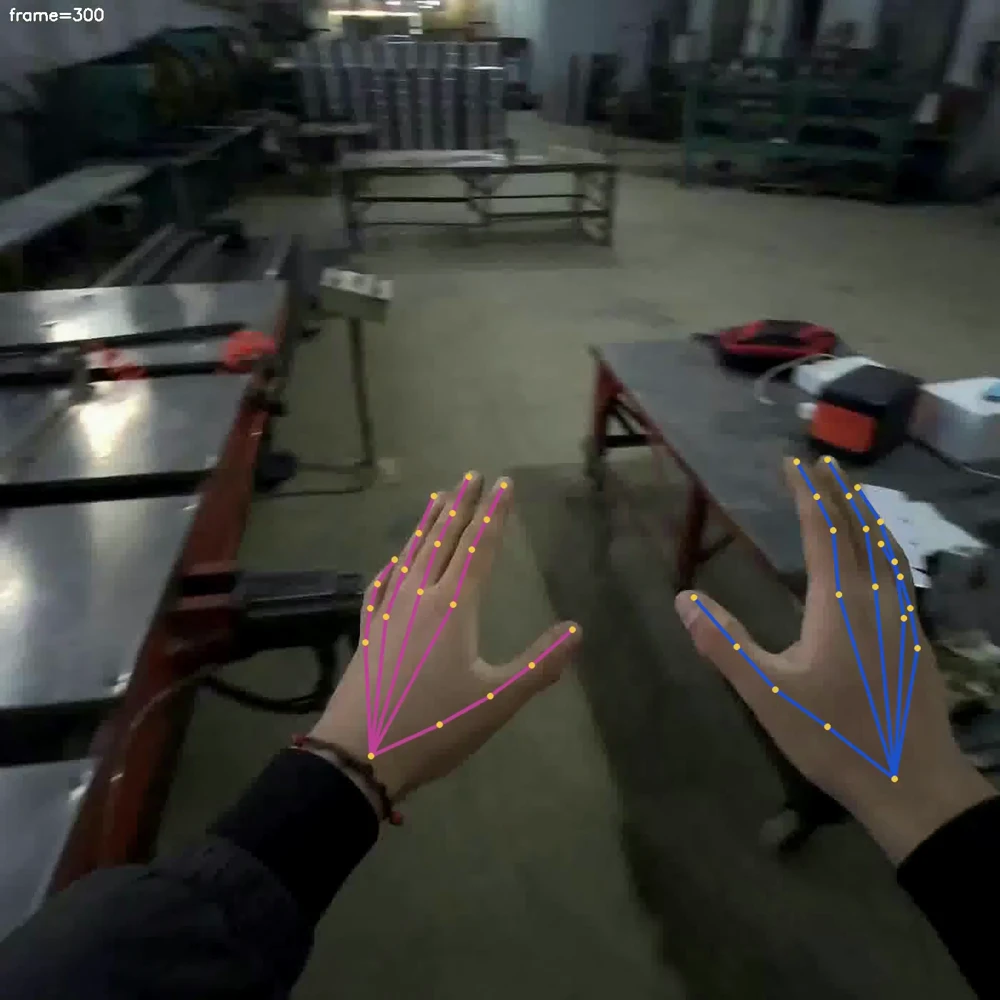
An evidence-backed guide to research glasses, XR headsets, eye trackers, cameras, motion capture, robotless tools, and full-stack egocentric data platforms.
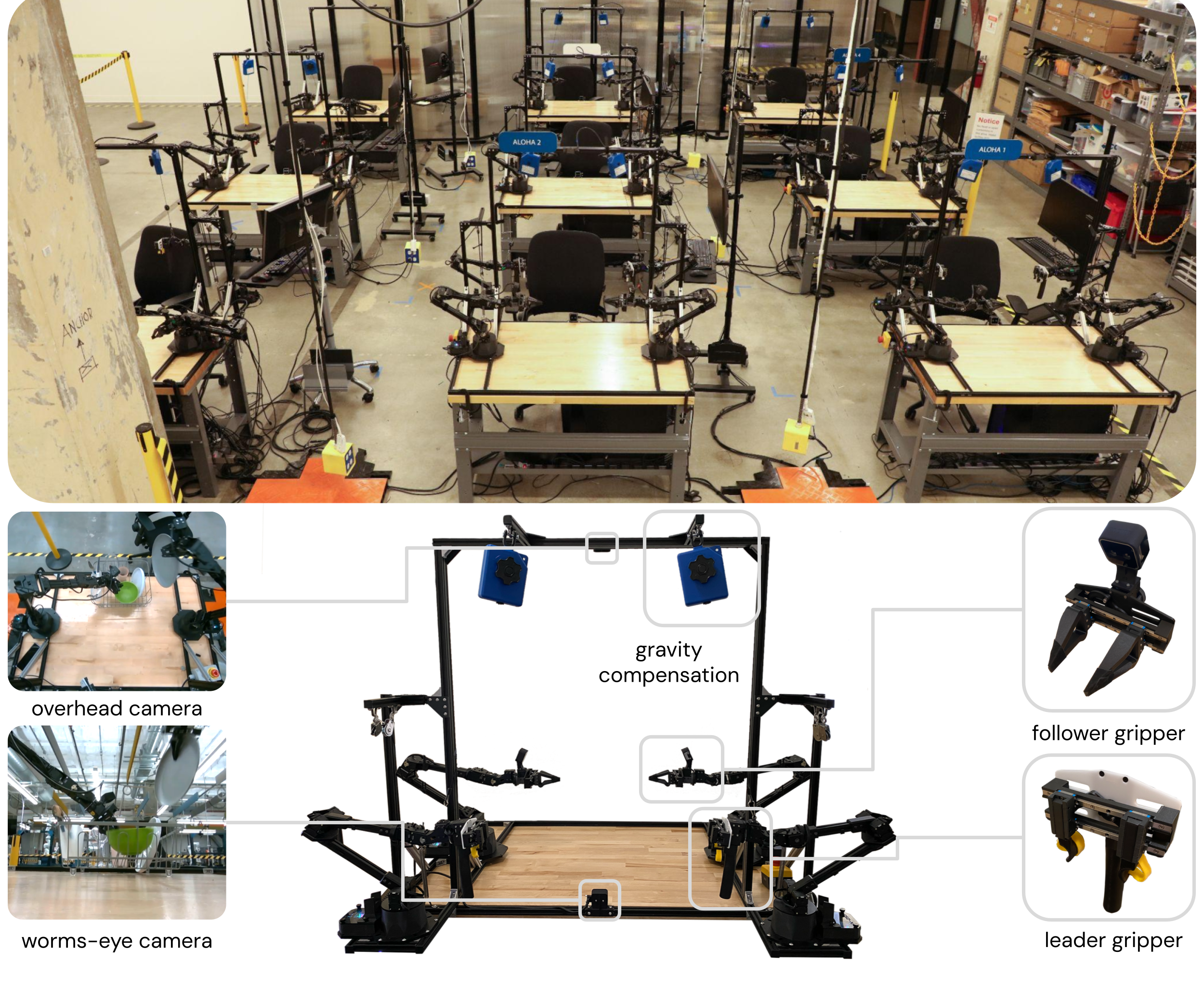
A practical comparison of leader–follower arms, XR controllers, whole-body tracking, and robot-free systems for collecting useful robot training data.

Compare Unitree G1, G1 EDU, AgiBot X2, and X2 Ultra on price, size, DoF, payload, speed, sensing, compute, developer access, and official 3D models.
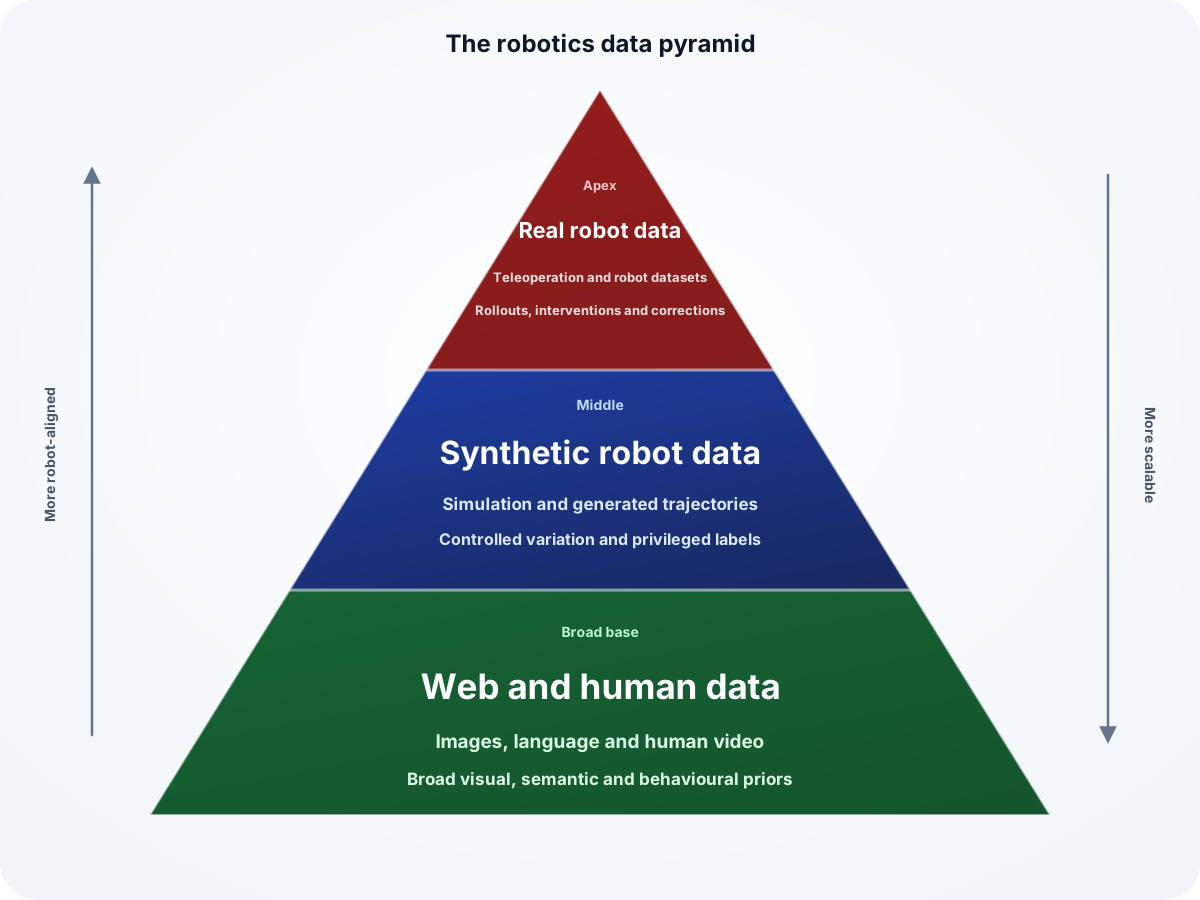
A research-backed guide to how web and human data, synthetic trajectories, and real-robot experience combine to train physical AI systems.